-
-

- Find a Property
-
Sell
iconSell Your Property
- Agents
-
Explore
iconExplore
-
Blog & More
iconMarket Insights




August 5, 2026
7 Min Read
A Conversation with Leyden Lewis
By BHS Content Team
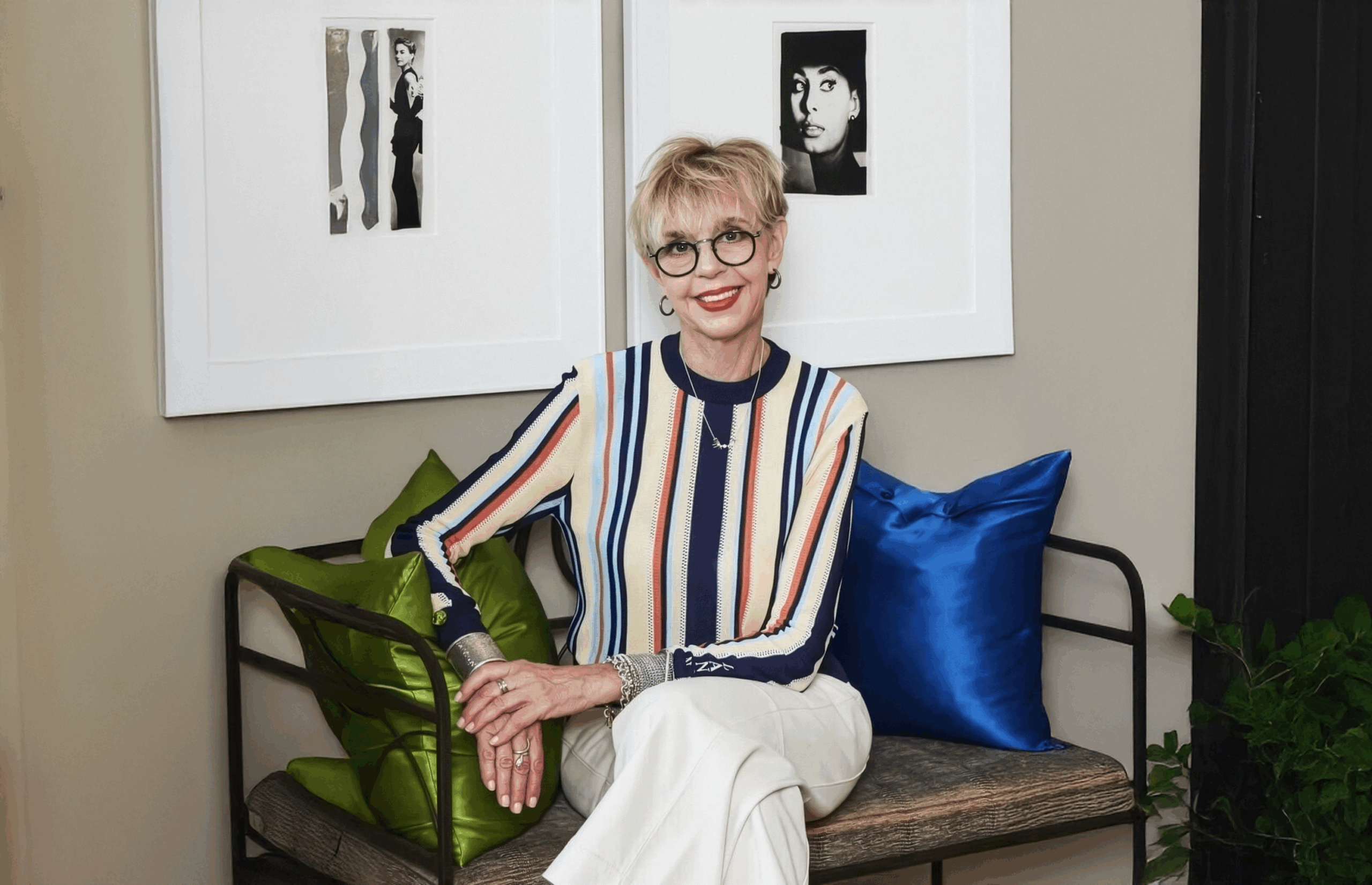
Few designers blur the lines between architecture, interiors, and art as seamlessly as Leyden Lewis. Named to the AD100 and ELLE Decor A-List, Lewis has spent more than three decades creating spaces that are deeply rooted in culture, memory, and storytelling. Drawing inspiration from everything from Trinidad Carnival to the timeless architecture of Rome, his work pairs bold artistic expression with thoughtful functionality. In this exclusive Q&A with Brown Harris Stevens East Side agent Louise Phillips Forbes, Lewis shared the philosophy behind his acclaimed practice, the materials he returns to time and again, and why the best design is never truly finished.
How would you define your design philosophy in one sentence?
Design is the art of making spaces that are simultaneously filled with memory and divine the future. Familiar, layered, and alive with meaning. I love it when a room holds two temperatures at once, the comfort of something you already know, and the charge of something not yet named or has not yet arrived. That’s where the real work of design happens: in the tension between what’s remembered and what’s still becoming.
What personal experience has most shaped your aesthetic sensibility?
Two experiences come to mind. Growing up in Brooklyn and seeing the costumes at the West Indian day Parade. The vibrancy of costumes mixed with sounds of Calypso music and food is so important to me- The joy experiencing of Trinidad carnival. Alternatively, was my first and visit to the Pantheon in Rome when I was 24. The ancient beauty that seemed times less and equally modern has always stayed with me. Carnival teaches me that beauty can be unapologetically celebratory, communal, and transformative, that color and adornment are a form of storytelling and liberation. The ancient architecture and ruins of Rome taught me another lesson in the same breath: that silence, proportion, light , and time can hold just as much emotional weight as spectacle. During my career I’ve let those two truths speak to each other rather than choosing between them.
Where do you see the boundary between architecture, interior design, and art?
I really don’t see a separation or boundary. Each component plays a narrative role in the complete storytelling of a place. Architecture sets the grammar of a space — its structure, its light, its bones “the shell”. Interiors are the conversations in dialogue with that shell- how we live inside the idea. Art is often the punctuation, the moment that tells you what the whole passage means. When I’m working, I’m not moving between three disciplines; I’m moving through one continuous act of narrative-building, stitching a complete holistic experience.
Are there materials you return to again and again?
I love leather, plaster in all forms, cast concrete, cast glass, antique mirror, and mica powder. I love a metal-leafed surface caste bronze and sculpted stone. What draws me to these materials is that none of them behave the same way twice. What is true about each of the materials is that hey age, they respond, they have a kind of memory built into their surface. I’m less interested in materials that stay static or perfect. I appreciate materials that keep having a relationship with the room through age and use.
How does being named an AD100 designer and an Elle Decor A-Lister, and what has it meant for your firm?
It means that three decades of intentional work — work rooted in philosophy rather than trend — found its moment of recognition. That matters. But what it’s done practically is open doors that require less explanation. Clients come to us already trusting in the quality of our studio’s services, which means we can get to the real work faster. It also signals to the broader industry that culturally grounded, intellectually rigorous design belongs in the conversation at every level. It’s not a finish line it’s more like a permission slip, one that lets the studio move into rooms and conversations that used to require years of proving ourselves before the actual design work could even begin.
How do you balance artistic expression with a client’s practical needs?
I don’t experience them as opposing forces. A client’s life, the way they move through a home, the life they want to live, the family and or professional life they are building, what they cook, how they entertain, what they’ve inherited and what can be discarded — all of it is rich creative material. The practical is never a constraint I work around; it’s the raw material I work from. A kitchen built for how someone cooks; a closet built for how someone dresses, these aren’t compromises to the art. They’re the beginning of it. The most artful spaces I’ve made are the ones where the client’s real, unglamorous daily life became the plot of the story. (Jonathan Groff’s entry bike rack)
Do you see your work more as designing spaces or curating experiences?
I’d say both. I think depending on the client and project, both strategies are at play. Curation is an essential part of design. Some projects call for me to originate ,to draw, to build, to invent a form that didn’t exist before. Others call for me to edit, select, juxtapose, and sequence objects, art, and materials so that a story emerges from things already in the world.
How do you decide when a space is finished, or if it ever truly is?
Each project arrives at different times. And they are stages. Sometimes when at a site visit with a client and they begin to see what renderings were just several months ago and they start to “occupy the space vs. understanding the design”. Next is when I can experience the space and sense the soul of the client, it feels like a signature enough to tell the story now, and space to continue to grow. A home should not be “complete” in the way a painting is complete. The painting is finished when the artist puts down the brush. A home keeps being lived in. At the end of a project isn’t finality it’s a strong enough authorial voice that the space can keep absorbing new chapters — a new piece of art, a child growing up, a life changing — without losing its identity. Of course as a designer, there is the stage when the space is photographed but as many will share that Is just one set of images of a frozen moment in time.
How do you approach collaboration with artists?
It’s one of the best parts of practicing. We are generally playing curator at this point when we commission work, we set guidelines and allow the artists to completely express themselves. I think working with other creatives the best thing we can do is avoid over-directing. My role is to set the frame, the scale, the material conversation, the emotional register the room needs — and then get out of the way. The best commissioned pieces I’ve been part of are the ones where the artist surprised me, where the work pushed slightly past what I imagined and made the room better for it
How has your work evolved since establishing your firm?
I’ve allowed a lot more experimentation and risk at times, thankfully, successfully. I think I have always pushed for color, I would consider most of my interiors to be contemporary but drawing from multiple cultural references. My work has grown more confident in its references, more willing to be complex, more committed to telling stories that haven’t been centered before. The firm has also grown into a full-service practice: architectural planning, interiors, product design, exhibition design work and that breadth allows each project to be more fully realized. Thirty years in, I trust the references more. Early on, I might have translated an idea from Trinidad or from West African textile tradition into something quieter, more legible to a broader audience. Now I let it speak at full volume, because I’ve learned that clients don’t hire us to soften those references — they hire us because of them.
In your experience, why is a relationship with a seasoned, top broker so important?
Education. In collaboration, they are the first tier of identifying and pairing a buyer with the right space. The best brokers like a good design professional aren’t selling square footage, they’re reading people. A top broker understands what a client is asking for, often before the client can articulate it themselves, and they know which designers can meet that need at the level it deserves. When there’s trust and fluency between a designer and a broker, the client never feels like they’re being handed off, they feel like they’ve been understood from the very first conversation. That continuity is everything at the high end of this market. A great broker essentially pre-writes the first chapter of the design story before we ever walk through the door, and that head start changes the whole trajectory of a project.
August 5, 2026
7 Min Read
Search Blog